What does UGC stand for? (And what it isn't)
UGC stands for user-generated content. The original meaning was literal: a real customer posts a photo or video featuring your product, and the brand reposts it. Free organic content from happy users.
That definition has almost nothing to do with what UGC means in 2026.
Today, when a marketer says "UGC," they mean UGC-style content, paid creative that looks like a customer filmed it, but is actually a brief, a script, a creator, a usage-rights contract, and an invoice. The hook is "authenticity." The reality is a production pipeline.
This is also why a lot of people in marketing now use the term performance creative instead. It's more honest. UGC is creative made specifically to drive performance on paid social. That's the whole point.
Why brands call it "performance creative"
Because that's what it's measured against. A UGC ad that gets 4 million views but doesn't drive a sale is a failure. A UGC ad that gets 80,000 views and brings in 1,200 orders at a 4× ROAS is a hit. The brand will buy 30 more from the same creator next week.
This is the unglamorous truth of UGC in 2026: it lives or dies by spreadsheets, not by likes.
What a UGC creator actually does (the day-to-day)
A working UGC creator's week looks more like a freelance copywriter's week than an influencer's. They get a brief, they write a hook, they film, they edit a rough cut, they send it. Repeat.
The deliverables
Most briefs ask for one or more of these formats, in 15-, 30-, or 60-second versions:
- Hook clips, the first 1.5 seconds of an ad, designed to stop the scroll. Brands often buy 10 different hooks for one product so they can A/B test.
- Reviews, the creator uses the product, then films their honest reaction. Skincare and supplements live here.
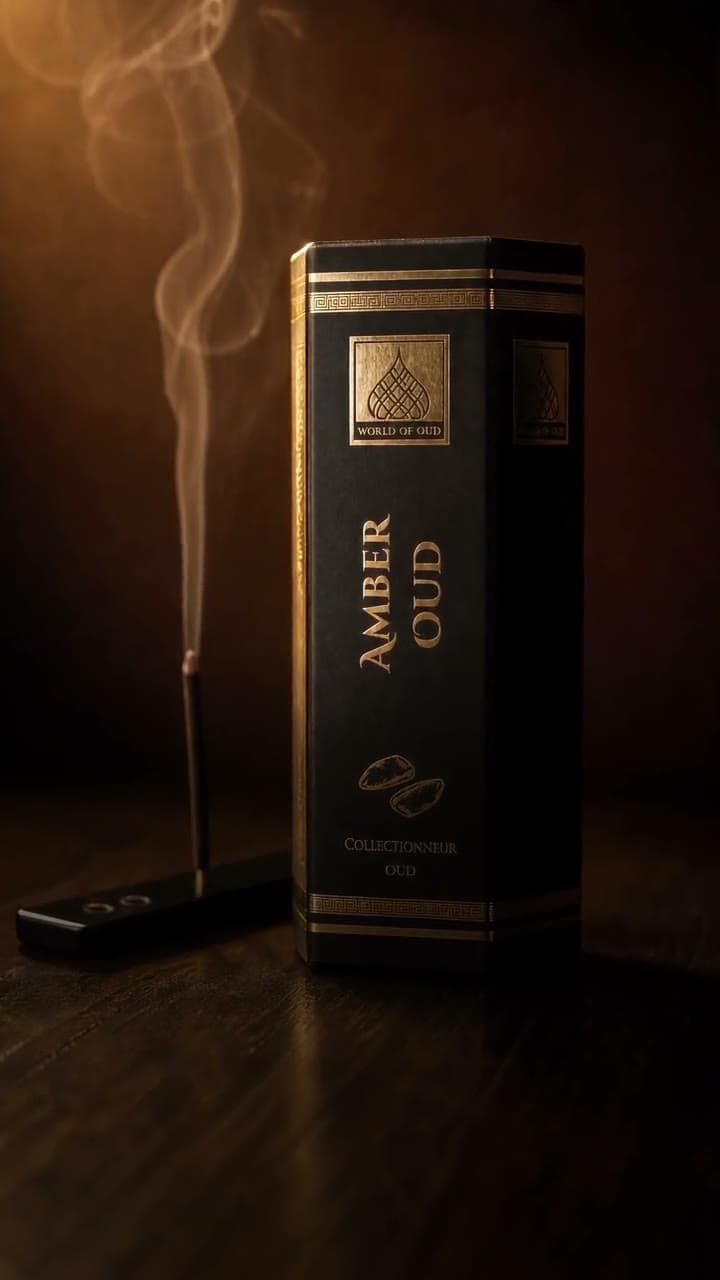
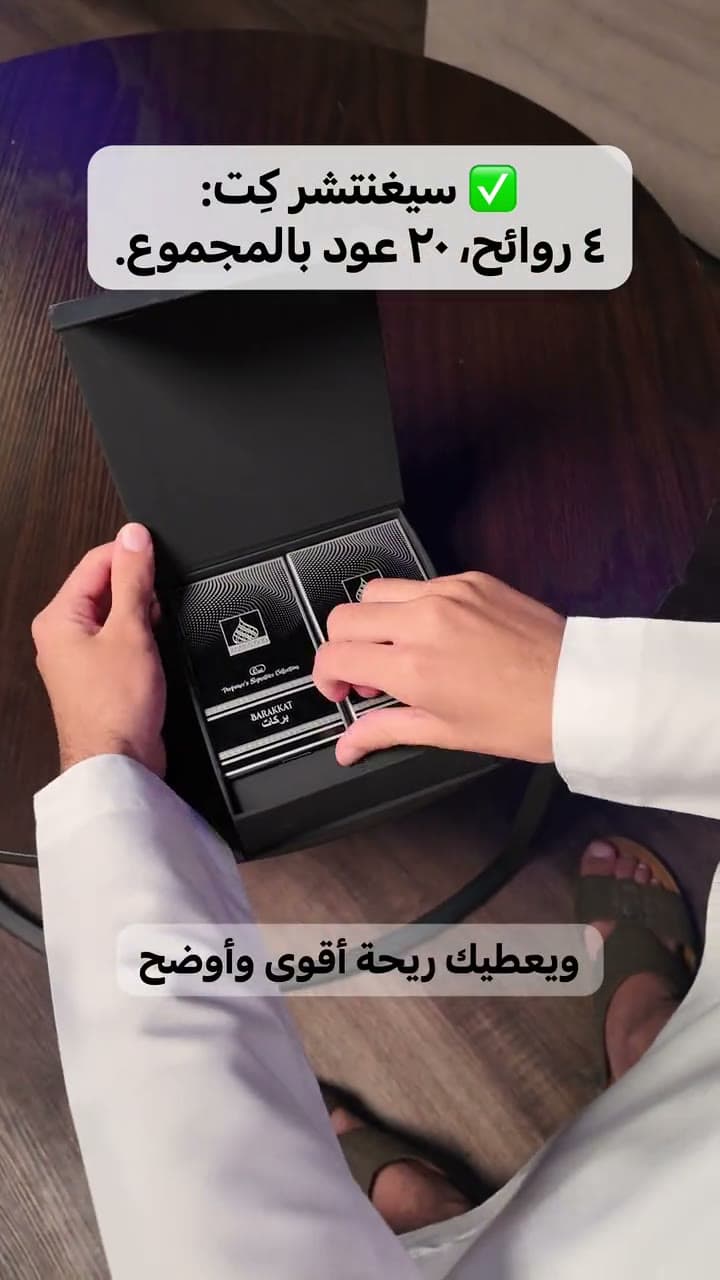
- Unboxings, works particularly well for tactile categories: fragrance, fashion, premium snacks.
- Tutorials, "how to use" content. Big in beauty, kitchen, and SaaS demos.
- Testimonials, direct-to-camera, "this product changed my routine" style. Highest conversion rate of any UGC format.
- Day-in-the-life integrations, the product appears casually in the creator's actual day. Hard to fake well, which is why brands pay more for it.
Tools of the trade
This is the part that surprises people. The setup that produces winning UGC ads in 2026 is, almost without exception, an iPhone, a ring light, and either a window or a clip-on mic. That's it.
You can absolutely upgrade, Sony ZV-1, Aputure lights, RØDE Wireless Go II, and there's a tier of "premium" UGC where this kit is standard. But the dirty secret of paid social is that a slightly grainy, handheld iPhone clip with real audio almost always outperforms the same script shot on cinema gear. Meta and TikTok algorithms reward content that looks native to the platform. Studio polish actively hurts.
How much do UGC creators earn in 2026?
Real numbers, current as of Q1 2026, pulled from rate cards and marketplace data (Aspire, Insense, Trend):
United States
- Entry-level: $150, $300 per 30-second video, no usage rights
- Mid-tier (12+ months experience, decent portfolio): $400, $700 per video
- Established (consistent ROAS, repeat brand clients): $800, $1,500 per video
- Content package with 90-day paid ad rights: $1,800, $5,000
United Kingdom
- Entry: £80, £200 per video
- Mid: £300, £500
- Established: £600, £1,000
United Arab Emirates
- Entry: 400 to 800 AED per video
- Mid: 1,200 to 2,000 AED
- Established (Arabic + English): 2,500 to 5,000 AED
The single biggest variable, by a wide margin, is usage rights. A creator who sells you a video for $300 with no rights is selling you a deliverable. The same creator selling you the same video with 90 days of paid usage rights and whitelisting is selling you an asset that could drive $50,000 in ad spend. Price accordingly.
Solo creator vs. agency-represented
A solo creator on Aspire or Insense will quote you $300. An agency-represented creator will quote you $750 for the same deliverable, but the agency handles the brief, edits, revisions, rights paperwork, and platform-specific cuts. Most brands above $50K/month in ad spend find the agency math works in their favor, the time saved on creator wrangling is worth more than the rate difference.
How brands actually use UGC (the performance marketing side)
Here's where most "what is UGC" articles wave their hands. The actual answer matters because it explains why brand demand for UGC has grown roughly 10× since 2022.
UGC for Meta Ads
The dominant use case. A brand will buy 5 to 15 UGC variants for a single product launch, run them all simultaneously in a paid campaign, kill the bottom 80% inside two weeks, and pour budget into the 1 to 3 winners. Then they buy 5 to 15 more variants of the winning angle and repeat. This is called the creative volume strategy, and it's the reason brands burn through UGC creators so fast.
UGC for TikTok Spark Ads
Spark Ads let a brand run a creator's organic post as a paid ad, keeping the original handle, comments, and engagement. The creator gets paid for the right to whitelist the post. It's a flavor of UGC where the creator's actual handle becomes part of the asset.
UGC for YouTube Shorts
The newest playground. Shorter campaigns, higher tolerance for tutorial-style content, big for SaaS demos and beauty.
Why UGC outperforms studio ads on Meta and TikTok
Three reasons, ranked by impact:
- It looks native. A studio ad looks like an ad. A UGC clip looks like the post you scrolled past. The former gets the "this is being sold to me" reflex. The latter doesn't.
- You can produce at volume. One studio shoot gives you one ad. One UGC creator gives you 5 hooks, 3 angles, and 4 product mentions in a single afternoon.
- It's cheaper to test. If a $300 UGC clip flops, you've lost $300. If a $25,000 studio shoot flops, you've got an existential conversation with your CFO.
The rise of AI UGC, what changed in 2025 to 2026
For most of UGC's history, the bottleneck was the same: humans only have so many hours, and good UGC creators are usually booked out. Brands that wanted 50 ad variants a month were hitting a hard ceiling.
That ceiling broke in 2025.
AI avatars (Arcads, Creatify, HeyGen) vs. real creators
The first wave of AI UGC was AI avatars, synthetic people, often built from licensed actor footage, that you can feed any script. Tools like Arcads, Creatify, and HeyGen took the testimonial format ("I was struggling with X, then I tried Y") and let brands produce 50 versions of it in a single afternoon, in 30 different languages.
What worked: speed, scale, language coverage, on-brand consistency. What didn't: the avatars looked too clean, the lip-sync was sometimes off, and audiences started to spot them. By late 2025, comments sections on AI UGC ads were full of "this is AI" callouts.
The second wave, AI-generated scenes (Sora-class video)
Then Sora 2, Veo 3, Kling and Hailuo started outputting cinematic, photorealistic video from a text prompt. Now you weren't just generating a talking avatar, you were generating the entire scene, the product in the hands, the kitchen lighting, the whole thing.
Where AI wins
- Speed: 50 variants in a day vs. 50 variants in a month
- Volume: No human bottleneck
- Languages: Same script, 40 voiceover languages
- Edge cases: Generating "the product on a beach in Bali at sunset" without flying anywhere
Where AI still loses
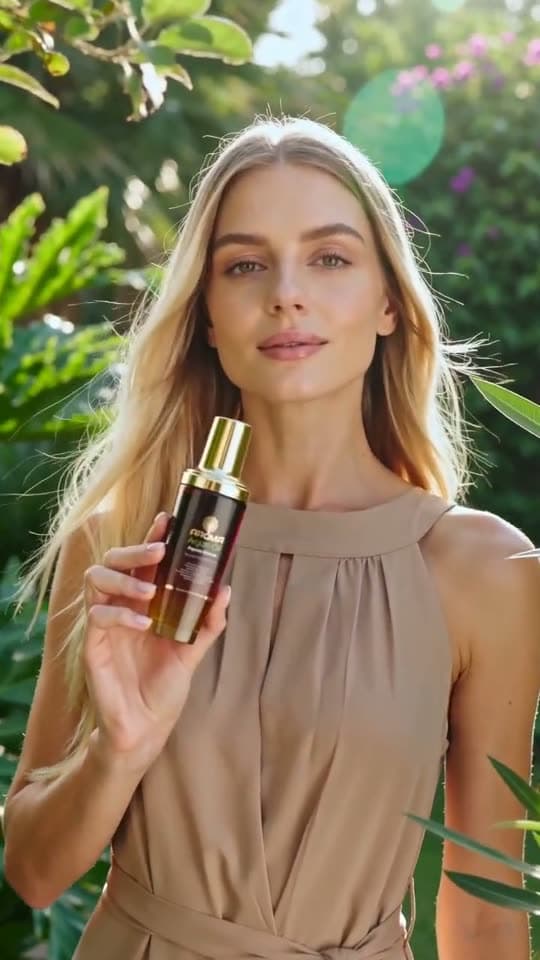
- Texture and skin: Beauty UGC needs real pores, real reactions. AI skin still slips.
- Tasting and texture: Food UGC fails when the model can't render the way someone's face changes when they bite into something good.
- Trust verticals: Anything where authenticity has legal weight, health claims, financial products, parenting, still benefits from a real human in frame.
- Cultural nuance: AI doesn't know that the right Khaleeji teen wouldn't say it like that. A creator from Sharjah does.
The hybrid model
The brands winning at UGC in 2026 aren't picking sides. They're running a portfolio: AI UGC for the high-volume testing layer (where 80% of their ad variants live), and human UGC for the few high-stakes pieces that need to feel real. The smartest of them have figured out a third move, AI-generated UGC directed by a human creative team, which is exactly what we do at XMA. Same volume as pure AI, taste and judgment of an agency, fraction of the cost of either.
If you want the full breakdown of how this hybrid stack works in practice, our AI UGC ads playbook covers the seven formats that actually convert and the briefing template we use with clients.
FAQ
Do you need followers to be a UGC creator?
No. UGC creators sell content, not audiences. Most of your work will run as paid ads on the brand's own channels, never on yours. You can start with zero followers tonight.
Is UGC creation legit?
Yes. It's a real category of paid creative work. Brands like Glossier, HelloFresh, Liquid Death, and most of the DTC top 100 actively buy UGC every month.
What's the difference between a UGC creator and an influencer?
An influencer sells reach. A UGC creator sells content. Same person can do both, but the deliverables and contracts are completely different.
How long does it take to make money as a UGC creator?
The realistic timeline is 6 to 12 weeks from "I want to try this" to first paid gig. Most of that is portfolio building and pitching.
Do I need a license to be a UGC creator?
In the US and UK, no. In the UAE, you'll want a freelance permit (Tasreeh) or trade license if you're billing from inside the country.
Can brands use my UGC content forever?
Only if your contract says so. Standard practice is 30, 60, or 90 days of paid usage rights, then it expires unless renewed. Always specify the term.
What's "whitelisting" in UGC?
Whitelisting is when you let the brand run paid ads from your handle. Higher rate, more paperwork, big performance lift for the brand.
Is AI going to replace UGC creators?
It's already replacing the easy half of the work. It's not replacing the half that requires real human reactions, tasting, texture, or cultural fluency. The smartest creators are learning to work with AI, not against it.
Where can brands hire UGC creators?
Marketplaces (Aspire, Insense, Trend), direct outreach on TikTok and Instagram, or creative agencies. Talk to our team if you want the agency route.
Want UGC-style ads at 4× the speed?
XMA pairs AI video with a real creative team based in Dubai. We've shipped over 500 paid campaigns for DTC brands across skincare, fragrance, fashion, F&B, SaaS, and real estate.