
What Makes an Ecommerce Video Ad Work
Before the examples, here's the pattern underneath all of them. After testing creative on more than 500 paid campaigns across the US, UK and UAE, we keep seeing the same four rules decide whether an ad sells or gets skipped.
It hooks in the first two to three seconds. On a phone feed, nobody owes you attention. The opening frame has to show motion, a problem, a bold claim, or the product mid-use. A logo intro is the fastest way to lose a viewer.
It shows proof, not adjectives. "Long-lasting" means nothing. A perfume strip still smelling strong at 11 pm after a 9 am spray means something. Every format below is really a different way of delivering proof.
It works on mute. Many people scroll with the sound off, especially in offices, malls and on public transport. Burned-in captions and on-screen text carry the message; voice and music are a bonus.
It has one job. One product, one benefit, one call to action. An ad that tries to build awareness, announce a sale and push a newsletter sign-up usually does none of them well.
If you want the deeper version of this structure, our guide to the hook, body and CTA framework walks through it for Meta and TikTok specifically.
12 Ecommerce Video Ads Examples, Broken Down Scene by Scene
Each example below uses a realistic DTC product and a 15 to 30 second vertical ad. Timecodes are a guide, not a law. Swap in your own product and keep the structure.
1. The Problem-Solution Demo
The workhorse of ecommerce video. You show a frustrating everyday problem, then the product fixing it on camera.
Example: a cordless hair styling brush
- 0-3s: Close-up of frizzy hair and a hand dropping a tangled round brush. Text: "Humidity 1, my hair 0."
- 3-10s: The styling brush glides through one section. Split screen: brushed side vs untouched side.
- 10-20s: Three quick cuts of the key features: heats in 60 seconds, cordless, fits in a handbag.
- 20-25s: Finished look, then a pack shot with price and "Shop now."
Why it works: the problem is visual and relatable, and the fix happens in real time. Best for: cold audiences on TikTok and Reels. Gulf twist: shoot the "before" in real summer humidity. Anyone in Dubai in August knows the problem instantly.
2. The Proof or Stress Test
One physical test that makes your claim undeniable. The demo is the whole ad.
Example: a stainless steel water bottle
- 0-3s: Ice cubes dropped into the bottle at 8 am. Text: "Left in a car in Dubai. 45°C outside."
- 3-12s: Time-lapse of the bottle on a car dashboard, with a clock overlay jumping through the day.
- 12-20s: At 6 pm, the bottle is opened and ice is still rattling. Pour into a glass.
- 20-25s: Product lineup in colors, "Stays cold for 24 hours. Shop now."
Why it works: the claim and the proof happen in one shot, so there's nothing left to doubt. Best for: products with a single measurable promise (durability, waterproofing, long wear, stain resistance). Watch out: only film tests you can repeat honestly. Platforms and customers punish staged results.
3. The UGC Testimonial
A real customer, or a creator playing one, talking to the camera like they're recommending the product to a friend.
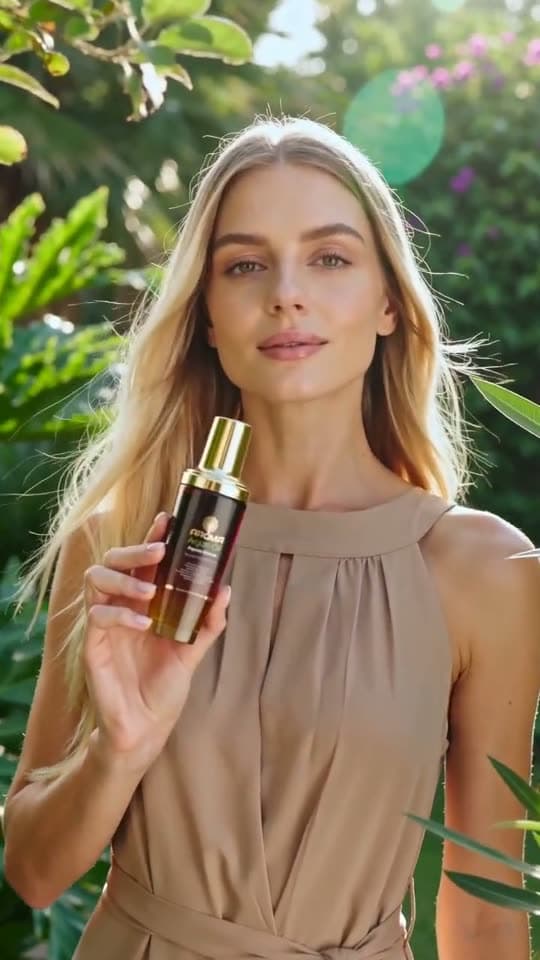
Example: a vitamin C serum
- 0-3s: Creator in natural light, no makeup: "I was about to give up on dark spots."
- 3-12s: Holds the bottle up to the camera, shows the dropper and texture on the back of her hand.
- 12-22s: Talks through her routine and what changed after a few weeks, with a close-up of her skin.
- 22-30s: "It's on sale this week, the link is right there." Text overlay with the offer.
Why it works: shoppers trust people who look like them more than they trust brand copy. It also looks native on TikTok and Reels, so it doesn't trigger the "ad" reflex. Best for: skincare, supplements, haircare and anything personal. If you're new to the format, our guide on what a UGC creator does covers briefing and rates.
Gulf twist: run Arabic and English versions with different creators, not just subtitles. A Khaleeji-accented creator talking about oily skin in summer lands very differently from a dubbed Western testimonial.
4. The Unboxing and First Impressions
The ad simulates the moment the customer receives the order. It sells the experience, not just the product.
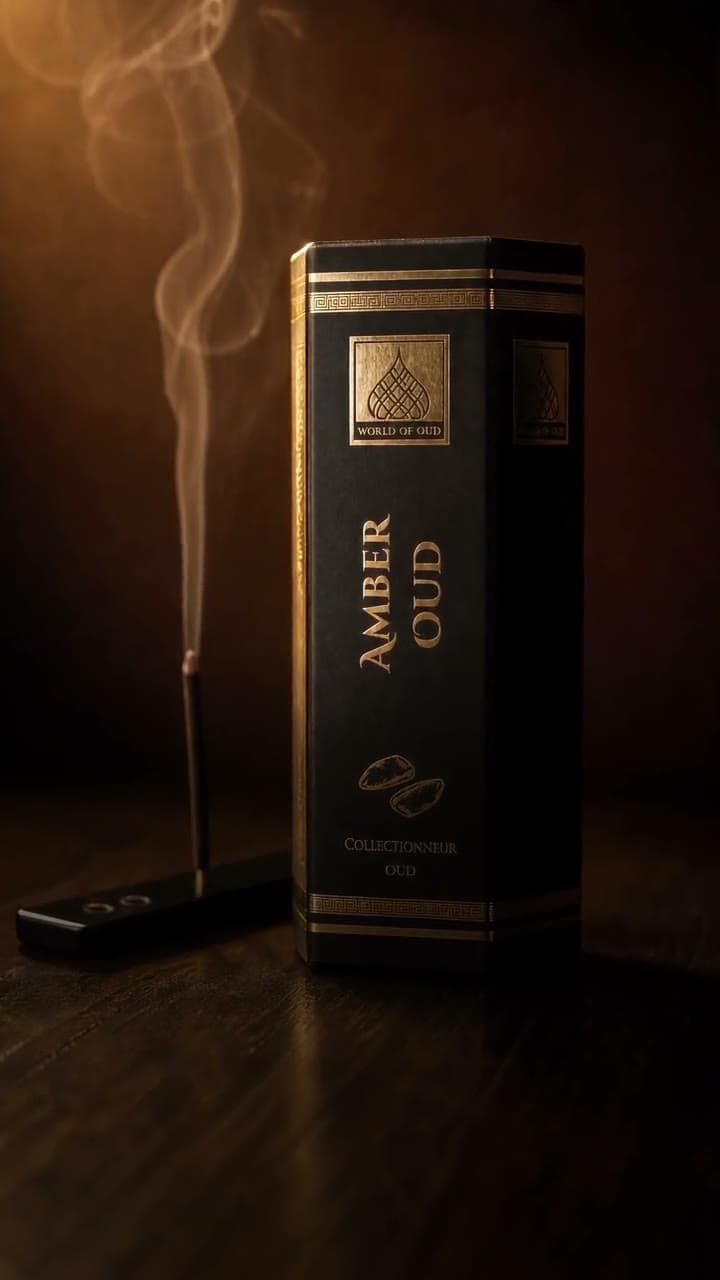
Example: a luxury oud gift set
- 0-3s: A gift box lands on a marble table with a satisfying thud. Text: "Eid gift sorted."
- 3-12s: Hands untie the ribbon, lift the lid, reveal the bottles nestled in velvet. Close audio of paper and glass.
- 12-20s: Spray on the wrist, a slow-motion mist shot, reaction smile.
- 20-25s: "Gift wrapping included. Next-day delivery in the UAE." Pack shot and CTA.
Why it works: unboxing removes the fear of what will actually arrive, and premium packaging does half the selling. Best for: gifting, fragrance, jewelry, tech accessories and anything with nice packaging. Gulf twist: time it for Ramadan, Eid, Mother's Day in March and National Day gifting, when gift intent peaks in the region.
5. The Before-and-After
Two states, one product in between. Simple, visual and very persuasive when the change is real.
Example: a car interior cleaning kit
- 0-3s: Split frame: a stained, sandy car seat on the left, spotless on the right. Text: "Same seat. 10 minutes apart."
- 3-15s: Sped-up footage of spraying, scrubbing and wiping, with a timer in the corner.
- 15-22s: Slow pan across the clean seat and carpet. Hand swipe shows no dust.
- 22-27s: Kit contents laid out, price, CTA.
Why it works: the brain loves a clear transformation and the timer adds credibility. Best for: cleaning, home, beauty, fitness gear and furniture care. Watch out: for skincare, weight and health claims, platform rules on before-and-after imagery are strict. Check the current Meta and TikTok ad policies before you shoot, because an ad that gets rejected on day one costs you the whole production.
6. The Us vs the Old Way Comparison
Your product next to the way people currently solve the problem. Note the framing: compare against a generic alternative, never a named competitor.
Example: a reusable silicone food bag
- 0-3s: A drawer overflowing with plastic bags spills onto the floor. Text: "Your kitchen drawer right now."
- 3-12s: Side-by-side table on screen: "Plastic bags vs our bags," ticking through cost per year, freezer-safe, microwave-safe, dishwasher-safe.
- 12-20s: Quick demos of each tick: freezing soup, microwaving leftovers, loading the dishwasher.
- 20-25s: "One set replaces hundreds of bags." Bundle offer and CTA.
Why it works: it makes the switching cost look tiny and the old way look silly. Best for: considered purchases and replacement products. Tip: keep the tone playful. Punching down on customers' current habits reads as preachy.
7. The Founder Story
The founder on camera explaining why the product exists. Authentic, personal and hard for bigger brands to copy.
Example: a modest activewear label
- 0-3s: Founder in the studio, holding a sample: "I couldn't find gym clothes I was comfortable in, so I made them."
- 3-15s: B-roll of sketches, fabric swatches and fittings, with her voiceover on the problem.
- 15-25s: Customers training in the pieces, fabric stretch close-ups.
- 25-30s: Founder back on camera: "Try it, and if it's not right, send it back." CTA with return policy.
Why it works: people buy from people, and a founder can say things a polished ad can't. Best for: new brands, mission-led brands and retargeting audiences who know the product but need a reason to trust you. Gulf twist: founder-led brands from the UAE and Saudi Arabia do especially well with local audiences who want to support regional businesses.
8. The Three Reasons Listicle
A countdown or numbered list of reasons to buy, delivered fast with a new visual for each point.
Example: a smart baby monitor
- 0-3s: Parent asleep on the sofa, phone buzzing. Text: "3 reasons new parents finally sleep."
- 3-10s: Reason 1: crying alerts on the phone, shown as a real notification.
- 10-17s: Reason 2: night vision footage of the baby in the dark.
- 17-24s: Reason 3: temperature and room readings on the app screen.
- 24-28s: "Free shipping this week." CTA.
Why it works: numbered structure creates an open loop, so people stay to see all three. Best for: products with several distinct benefits, and for testing which benefit resonates most (each reason can become its own ad later).
9. The Routine or Get Ready With Me
The product shown inside a real daily routine, so the viewer pictures it in their own life.
Example: a hair oil
- 0-3s: Creator at a mirror, hair wrapped in a towel: "My 5-minute Friday hair routine."
- 3-18s: Step-by-step: towel dry, two drops of oil, comb through, blow dry, each with a text label.
- 18-25s: Finished hair swings, close-up on shine.
- 25-30s: Product with a "What's in my bathroom" shelf, CTA.
Why it works: it's content first and ad second, which keeps watch time high. Best for: beauty, fashion, food and wellness. Gulf twist: a weekend or pre-wedding routine, or getting ready for an iftar gathering, gives a cultural hook that generic routines miss.
10. The CGI or 3D Product Hero
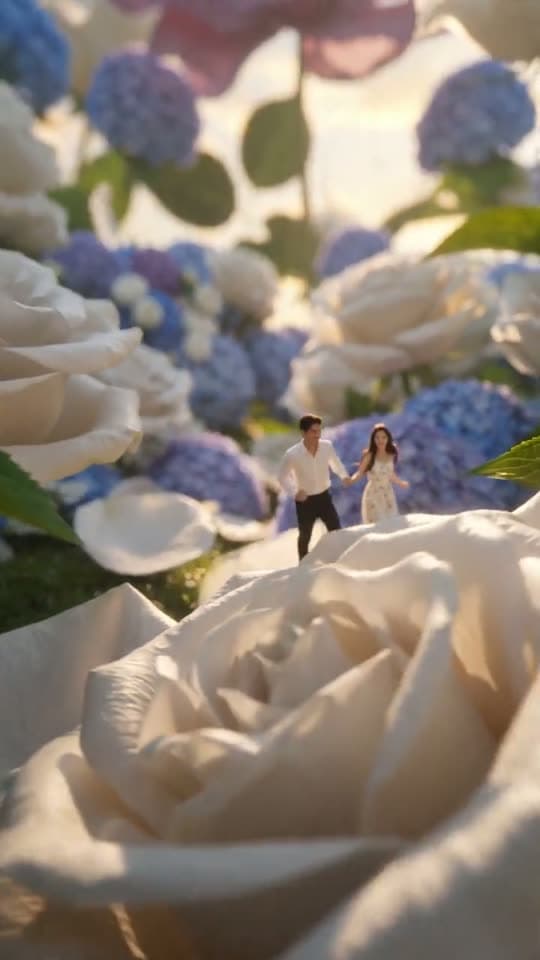
A photoreal or stylized 3D product film. The product does impossible things: it floats, splits apart, dissolves into ingredients, sits in a desert at sunset.
Example: a luxury watch or fragrance bottle
- 0-3s: The bottle rises out of rippling sand dunes, catching golden light.
- 3-10s: The camera orbits as the glass turns transparent and reveals floating ingredients: saffron, rose, oud wood.
- 10-15s: Ingredients swirl back into the bottle, which lands on a reflective surface.
- 15-20s: Brand name, one line of copy, CTA.
Why it works: it makes a small product look premium and it's instantly scroll-stopping. It also lets you show things a camera can't, like ingredients or internal mechanics. Best for: fragrance, jewelry, watches, beverages and electronics. You can see our AI video portfolio for CGI and realism ads we've produced for Gulf fragrance and jewelry brands. Watch out: CGI alone rarely closes the sale. Pair it with a UGC or demo ad in retargeting.
11. The Seasonal Offer Ad
A short, urgent ad built around a sale moment. The product is the same; the reason to buy today is new.
Example: a White Friday sneaker sale
- 0-2s: Bold text slams on screen: "40% off. 72 hours." (Use your real discount.)
- 2-10s: Fast cuts of the three best-selling styles, each with old and new price.
- 10-15s: Countdown timer graphic, delivery promise.
- 15-18s: "Shop the sale." CTA.
Why it works: clear offer, clear deadline, zero thinking required. Best for: warm audiences and retargeting during Ramadan, Eid, White Friday, 11.11, Dubai Shopping Festival and year-end. Tip: build the seasonal versions three to four weeks before the date. Ad costs climb in peak weeks and there's no time for reshoots.
12. The Blind Test or Street Reaction
Real people try the product without knowing the brand or price, and react on camera.
Example: a niche fragrance house
- 0-3s: Host in a busy mall walkway holding two unmarked bottles: "Which one costs 1,200 dirhams?"
- 3-15s: Three or four passers-by smell both strips and guess, with genuine reactions.
- 15-22s: The reveal: the one they loved is the brand's 250-dirham bottle.
- 22-27s: "Luxury smell, honest price." CTA.
Why it works: unscripted reactions feel honest, and the reveal is a built-in payoff. Best for: fragrance, food, drinks and any product where quality is hard to judge from a picture. Watch out: filming in malls and public places in the UAE needs permission from the venue, and everyone on camera must agree to appear. Get signed releases.
Which Format Fits Which Funnel Stage and Product
The fastest way to waste budget is running a founder story to cold traffic or a hard-sell offer ad to people who've never heard of you. Use this table as a starting map.
- Problem-solution demo: Funnel stage: Cold (top); Best product fit: Gadgets, beauty tools, home; Typical length: 15-30s; Production style: Studio or UGC
- Proof or stress test: Funnel stage: Cold (top); Best product fit: Durable goods, long-wear beauty; Typical length: 15-25s; Production style: Studio
- UGC testimonial: Funnel stage: Cold and warm; Best product fit: Skincare, supplements, haircare; Typical length: 20-45s; Production style: Creator
- Unboxing: Funnel stage: Warm (middle); Best product fit: Gifts, fragrance, jewelry, tech; Typical length: 15-25s; Production style: Studio or creator
- Before-and-after: Funnel stage: Cold and warm; Best product fit: Cleaning, home, fitness; Typical length: 15-30s; Production style: UGC
- Us vs the old way: Funnel stage: Warm (middle); Best product fit: Replacement products; Typical length: 15-30s; Production style: Studio plus motion graphics
- Founder story: Funnel stage: Warm and retargeting; Best product fit: New and mission-led brands; Typical length: 30-60s; Production style: Founder plus B-roll
- Three reasons listicle: Funnel stage: Cold and warm; Best product fit: Multi-benefit products; Typical length: 20-30s; Production style: Any
- Routine or GRWM: Funnel stage: Cold (top); Best product fit: Beauty, fashion, wellness; Typical length: 20-45s; Production style: Creator
- CGI or 3D hero: Funnel stage: Awareness; Best product fit: Fragrance, jewelry, watches; Typical length: 10-20s; Production style: CGI or AI
- Seasonal offer: Funnel stage: Hot (bottom); Best product fit: Whole catalog; Typical length: 10-20s; Production style: Motion graphics
- Blind test or reaction: Funnel stage: Cold and warm; Best product fit: Fragrance, food, drinks; Typical length: 20-30s; Production style: Street shoot
A healthy ecommerce ad account usually runs at least one format from each stage at the same time. Cold ads feed new people in, warm ads build trust, and offer ads close.
Platform Specs and Placements at a Glance
Every format above should be shot vertically first, then cropped for other placements. Here's how the main placements compare for ecommerce video.
- TikTok in-feed: Aspect ratio: 9:16; What performs: UGC, routines, reactions, trends; Notes: Must feel native; heavy polish often underperforms
- Instagram and Facebook Reels: Aspect ratio: 9:16; What performs: Demos, UGC, before-and-after; Notes: Keep key text out of the bottom area where captions and buttons sit
- Meta feed: Aspect ratio: 4:5 or 1:1; What performs: Demos, offers, carousels of short clips; Notes: Many viewers watch on mute; captions are essential
- YouTube Shorts: Aspect ratio: 9:16; What performs: Demos, listicles, product heroes; Notes: Clear product shots and a spoken hook both help
- Snapchat: Aspect ratio: 9:16; What performs: Offers, AR try-on, fast demos; Notes: Popular with younger audiences in Saudi Arabia and the UAE
Always check each platform's current specs in its ads help center before you export, because file sizes, durations and safe zones change. For YouTube Shorts, Google's own video advertising tips for Shorts are a useful creative checklist. Our working default is a 1080 x 1920 master file with all text inside the center safe area, which then crops cleanly to 4:5 for Meta feed placements.
If you run Shopify, connect your product catalog to Meta and TikTok so your video ads can sit alongside shoppable product tags and catalog ads. Video tells the story, and the catalog makes it one tap to buy.
Choosing a Production Route for Ecommerce Video Ads
Cost depends on the route, the talent, usage rights and how many variants you need, so we quote every brief individually rather than publish a rate card. What you can compare up front is what each route is good at and how fast it moves:
- Brand films it in-house on a phone: Turnaround: 1-3 days; Best for: Testing ideas, founder stories
- Freelance UGC creator: Turnaround: 1-2 weeks; Best for: Testimonials, routines, unboxings
- AI-assisted production with a human creative team: Turnaround: 3-7 days; Best for: Volume of variants, CGI-style heroes, localization
- Traditional studio shoot: Turnaround: 2-6 weeks; Best for: Hero brand films, proof tests needing sets
- Full CGI or 3D product film: Turnaround: 2-4 weeks; Best for: Luxury fragrance, jewelry, watches
Two things matter more than the headline price. First, cost per variant. A single studio film gives you one ad; the same budget spent on AI-assisted production can give you dozens of hooks and versions to test. Second, speed. Creative wears out, so a route that can refresh ads every two weeks usually beats one beautiful ad that runs until it dies.
To see how production works in the region, read our guide to AI video production in Dubai. For real numbers on your own products, get a quote and we will price the formats that fit your store.
How to Build and Test Your Own Version
Copying a format is the easy part. Here's the process we use to turn one of these ecommerce video ads examples into a winner for a specific store.
- Pick one product and one buyer. Choose your best seller or highest-margin product, and write one sentence about who buys it and why. Example: "Working women in Dubai who want salon hair without the salon time."
- Mine the objection. Read your reviews, customer service chats and WhatsApp messages. The most common doubt ("does it really last?", "will it arrive in time?") becomes the thing your ad proves.
- Choose two or three formats from different rows of the funnel table. For example, a problem-solution demo, a UGC testimonial and a seasonal offer.
- Write three hooks for each format. The body and CTA can stay the same. The hook is where most of the difference in results comes from, so that's where you test first.
- Produce in batches. Shoot or generate all variants in one go. Batching keeps cost per ad low and gives you enough creative to learn from.
- Launch with a clear testing structure. Put the variants in one campaign with a budget big enough that each ad gets meaningful spend. Avoid changing budgets and audiences at the same time as creative, or you won't know what worked.
- Judge with creative metrics, not just ROAS. Look at hook rate (3-second views divided by impressions), hold rate (views past 15 seconds or ThruPlays divided by impressions), click-through rate and cost per purchase. A high hook rate with a low hold rate means the opening works but the body loses people.
- Kill, keep and iterate. Turn off clear losers after they've had fair spend. For the winners, keep the structure and test new hooks, new creators or a new offer. That's how one good ad becomes a family of good ads.
- Refresh before fatigue sets in. When frequency climbs and cost per purchase rises for a winner, bring in the next batch. Don't wait for the ad to fully stop working.
Localization is part of step 5 for Gulf brands. Arabic, English and sometimes Hindi or Urdu versions of the same format let you reach the full UAE audience without writing new concepts every time.
AI vs Human Production: Where Each Wins
AI video tools have changed how fast and cheaply ecommerce ads can be made. They haven't changed what makes an ad sell. Here's our honest view after using both on paid campaigns.
Where AI wins:
- Volume and speed. Generating ten hook variations or five background scenes takes hours, not weeks.
- CGI-style hero shots. Floating products, ingredient reveals and impossible camera moves are much cheaper than traditional 3D.
- Localization. Voiceovers and avatar presenters in Arabic, English and other languages make multi-market testing realistic for smaller brands.
- Seasonal refreshes. Swapping a Ramadan backdrop for a White Friday one without a reshoot.
Where humans still win:
- Product accuracy. AI can subtly change a logo, label or bottle shape. For ecommerce, where the product must look exactly like what arrives, that's a deal-breaker unless a person checks every frame.
- Real proof. Stress tests, before-and-after and blind tests need real footage. Faking them with AI is dishonest and risks ad rejections and returns.
- Genuine testimonials. Real customers and real creators carry trust that a synthetic avatar can't fully match, especially for skincare and health.
- Taste and strategy. Choosing the right objection, hook and offer is still a human job.
The model that works for most DTC brands is a hybrid: real product footage and real people for proof, AI for variants, backgrounds, CGI moments and languages, with a human creative team making the calls. That's how our AI video production team runs projects from brief to launch in 7 days. If you want to compare tools yourself, we reviewed the best AI video generators for ads on real campaigns.
Mistakes That Kill Ecommerce Video Ads
We see the same mistakes in almost every ad account audit. Fix these and most ads improve before you change the format at all.
- A slow start. Logos, brand intros or a person saying "Hi guys" before anything happens. Start with the problem or the payoff.
- Too many messages. Five features, two offers and a newsletter in 20 seconds. Pick one benefit per ad and make more ads.
- No captions. If the ad doesn't make sense on mute, a large share of viewers never get the message.
- Text in the wrong place. Key copy hidden under the platform's buttons, captions or profile name. Design inside the safe zones.
- One ad, forever. Running a single winner until it collapses. Plan the next batch while the current one is still working.
- Ignoring the landing page. A great ad sending people to a slow product page, or a page that doesn't match the offer in the video, wastes the click.
- Horizontal footage cropped badly. Shoot vertical for vertical placements. Cropping a wide TV spot into 9:16 usually cuts off the product.
- Translating, not localizing. For Gulf audiences, subtitles on a Western ad are rarely enough. Local faces, settings and occasions perform better.
Frequently Asked Questions
What are the best types of ecommerce video ads?
The formats that sell most consistently are problem-solution demos, UGC testimonials, before-and-after, unboxings and proof tests, because each one shows the product working instead of describing it. CGI hero ads build desire for premium products, and seasonal offer ads close sales from warm audiences. Most stores should run one format per funnel stage at the same time and let the results decide where budget goes.
How long should an ecommerce video ad be?
For TikTok, Reels and Shorts, most ecommerce video ads work best at 15 to 30 seconds, with the hook in the first two to three seconds. UGC testimonials and founder stories can run 30 to 60 seconds if they hold attention. Seasonal offer ads can be as short as 10 to 15 seconds. Test lengths rather than guessing, and always check each platform's current duration limits.
How much does it cost to make an ecommerce video ad in Dubai?
It depends on the production route, the talent, usage rights and how many variants you need, so there is no single honest price. In-house phone footage costs the least, UGC creators and AI-assisted production sit in the middle, and studio shoots and full CGI films cost the most. The better number to compare is cost per tested variant, because ecommerce ads need regular refreshes to keep performing. For a price on your own brief, get a quote from our team.
Can I make ecommerce video ads with AI?
Yes, and AI is very useful for hook variations, backgrounds, CGI-style product shots, voiceovers and Arabic or multilingual versions. The risk is product accuracy: AI can distort labels, logos and packaging. Use real product footage for anything the customer must trust, keep proof demos real, and have a person check every frame before an AI-assisted ad goes live.
Should ecommerce brands use UGC or polished video ads?
Use both, for different jobs. UGC feels native on TikTok and Reels and usually wins with cold audiences because it looks like a recommendation, not an ad. Polished studio or CGI ads build brand value and suit premium products, awareness campaigns and product pages. A common winning mix is UGC and demos for prospecting, with polished hero ads and offers for retargeting.
How often should I refresh my ecommerce video ads?
Plan a new batch of creative every two to four weeks for active prospecting campaigns, and sooner if you spend heavily. Watch frequency and cost per purchase on your winning ads. When frequency rises and costs climb, launch fresh hooks or a new format before performance drops sharply. Keep the winning structure and change the hook, creator or offer first.
Ready to Make Your Own Ecommerce Video Ads?
You now have 12 ecommerce video ad formats, scene by scene, plus the funnel map, specs, production routes and a testing plan to put them to work. The next step is picking two or three formats for your best product and producing enough variants to learn from.
That's exactly what we do at XMA. Our Dubai-based team combines AI production with human creatives, localizes for Arabic and English audiences, and delivers tested ecommerce video ads from brief to launch in 7 days, on a delivery date we guarantee. Book a strategy call and we'll suggest the formats most likely to work for your store.